
 Back
Back
Date:June 26, 2026
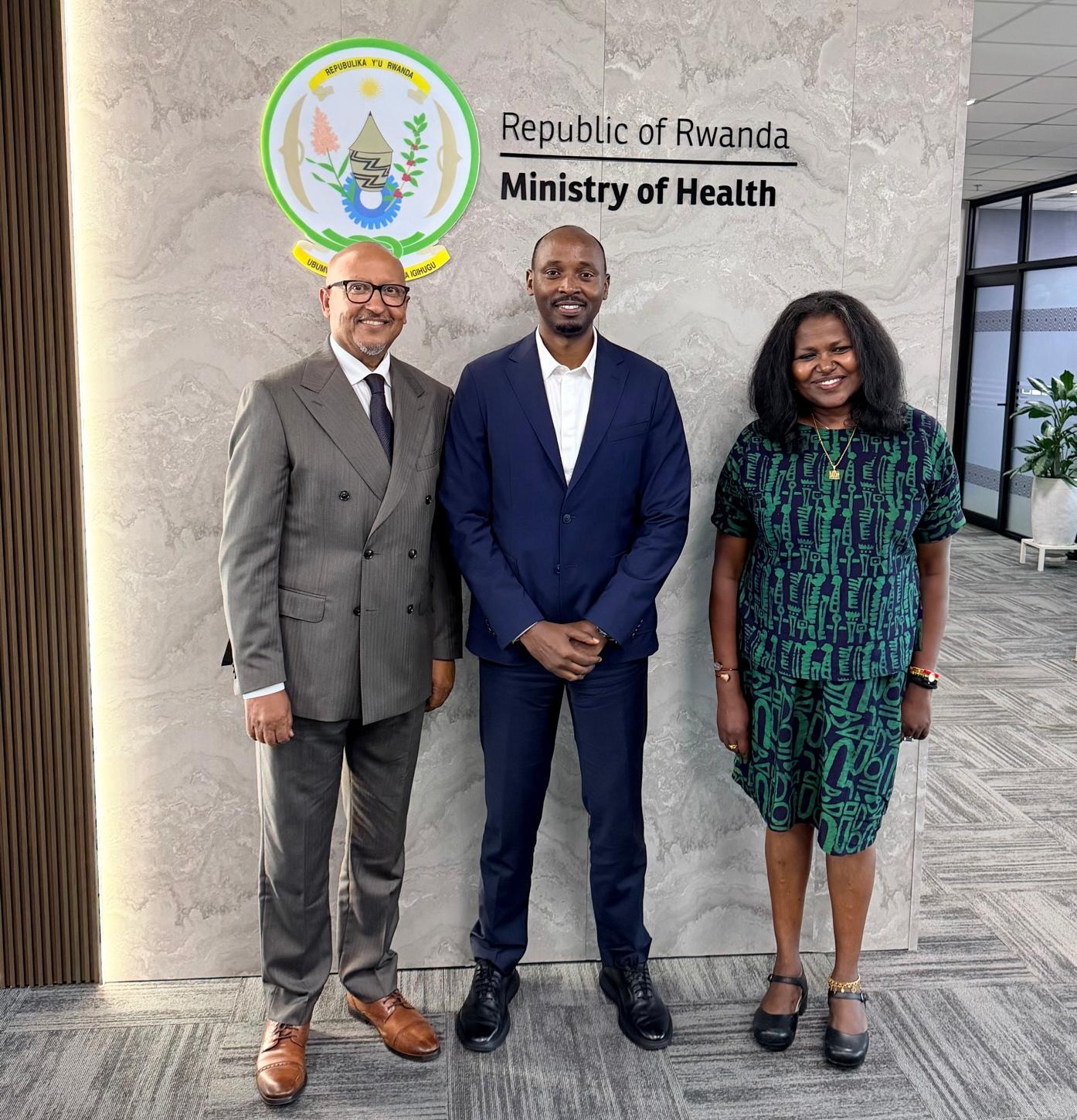
Rwanda's Minister of Health, Dr. Sabin Nsanzimana (middle), with Bio Usawa CEO & President Dr. Menghis Bairu (L) and Prof. Nazik Hammad (R) — the Chief Medical Officer
Bio Usawa's leadership held a productive meeting with Rwanda's Minister of Health this week in Kigali, where we reflected on a shared vision for building Rwanda-based biotechnology capacity to expand access to oncology and women's health solutions across Africa.
Biologic medicines have transformed cancer care and improved outcomes globally. However, across Africa, many women continue to face significant barriers to accessing these life-saving innovations. Women are disproportionately affected by:
- Late diagnosis of breast and cervical cancers.
- Limited access to targeted biologic therapies.
- High treatment costs and inconsistent medicine availability.
- Health systems reliant on imported therapies and vulnerable supply chains.
The challenge is not only awareness—it is the infrastructure required to ensure that innovation reaches patients where it is needed most.
Addressing these gaps requires a new approach to build the capacity to develop and manufacture advanced medicines within Africa.
Manufacturing in Africa, for Africa—and Beyond
At the center of Bio Usawa's vision is BioMod™, a modular, end-to-end biomanufacturing platform being deployed in Rwanda. BioMod™ is designed to enable:
- Local production of monoclonal antibodies and biosimilars.
- Rapidly deployable manufacturing capacity that lowers costs and expands access.
- End-to-end capabilities from process development through commercial production.
- Workforce development, technology transfer, and sustainable local expertise.
This represents an important step toward establishing Rwanda as a biotechnology hub with Pan-African impact—expanding access to affordable, high-quality biologics across the continent.
Why This Matters for Women's Health
A resilient African biotechnology ecosystem can help:
- Expand access to breast and cervical cancer therapies.
- Reduce treatment interruptions through reliable regional supply.
- Improve affordability through biosimilar manufacturing.
- Strengthen health system resilience and sovereignty.
For women facing cancer diagnoses, access to medical innovation should not depend on geography or income.
Building a Complete Women's Health Ecosystem
Manufacturing capacity must be integrated with broader health system strengthening, including:
- Oncology workforce development.
- Earlier diagnosis and advanced imaging capabilities.
- Translational research and clinical innovation.
- Regional collaboration through platforms such as AORTIC.
Together, these efforts can position Africa not only as a recipient of medical innovation, but as a leader in creating and delivering solutions for its own populations—and beyond.
Global Momentum and Partnership
This work is also strengthened by global engagement and diaspora collaboration. Bio Usawa's leadership recently participated in discussions at Chatham House and the Grand Challenges Annual Meeting in London, highlighting the importance of mobilizing expertise, investment, and partnerships to accelerate Africa-led health innovation.
Rwanda continues to demonstrate bold, execution-focused leadership in addressing complex health challenges, including cancer.
The opportunity ahead is clear: building end-to-end biotechnology manufacturing capacity in Africa is essential to delivering affordable, life-saving therapies, especially for women, and ensuring that no patient is left behind by medical innovation.
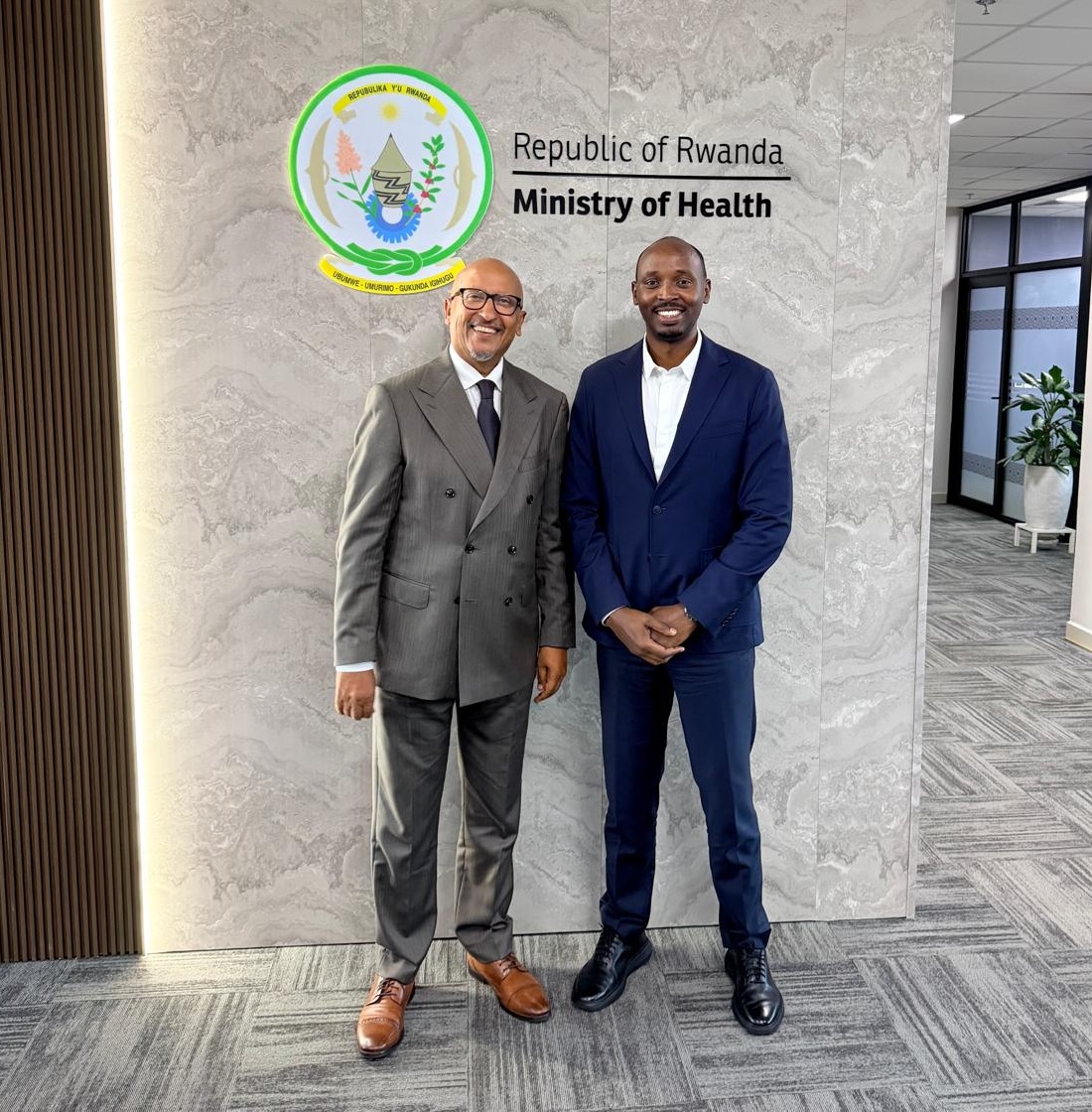
Bio Usawa CEO & President, Dr. Menghis Bairu (left), and Honorable Minister Dr. Sabin Nsanzimana after the meeting at the Ministry of Health headquarters in Kigali
Great to connect with Dr. Delese Mimi Darko, Director General of the African Medicines Agency (AMA), and Senior Advisor Prof. Alex Dodoo this week. W…
June 2026At the Grand Challenges Annual Meeting 2026 in London, a clear and urgent theme emerged: Africa’s future in biotechnology will be defined not by a short…
June 2026Bio Usawa, a biotechnology company dedicated to expanding access to high-quality biologic medicines across Africa, today announced the appointment of Dr…
June 2026