 Back
Back
By:Menghis Bairu, MD
Date:May 12, 2026
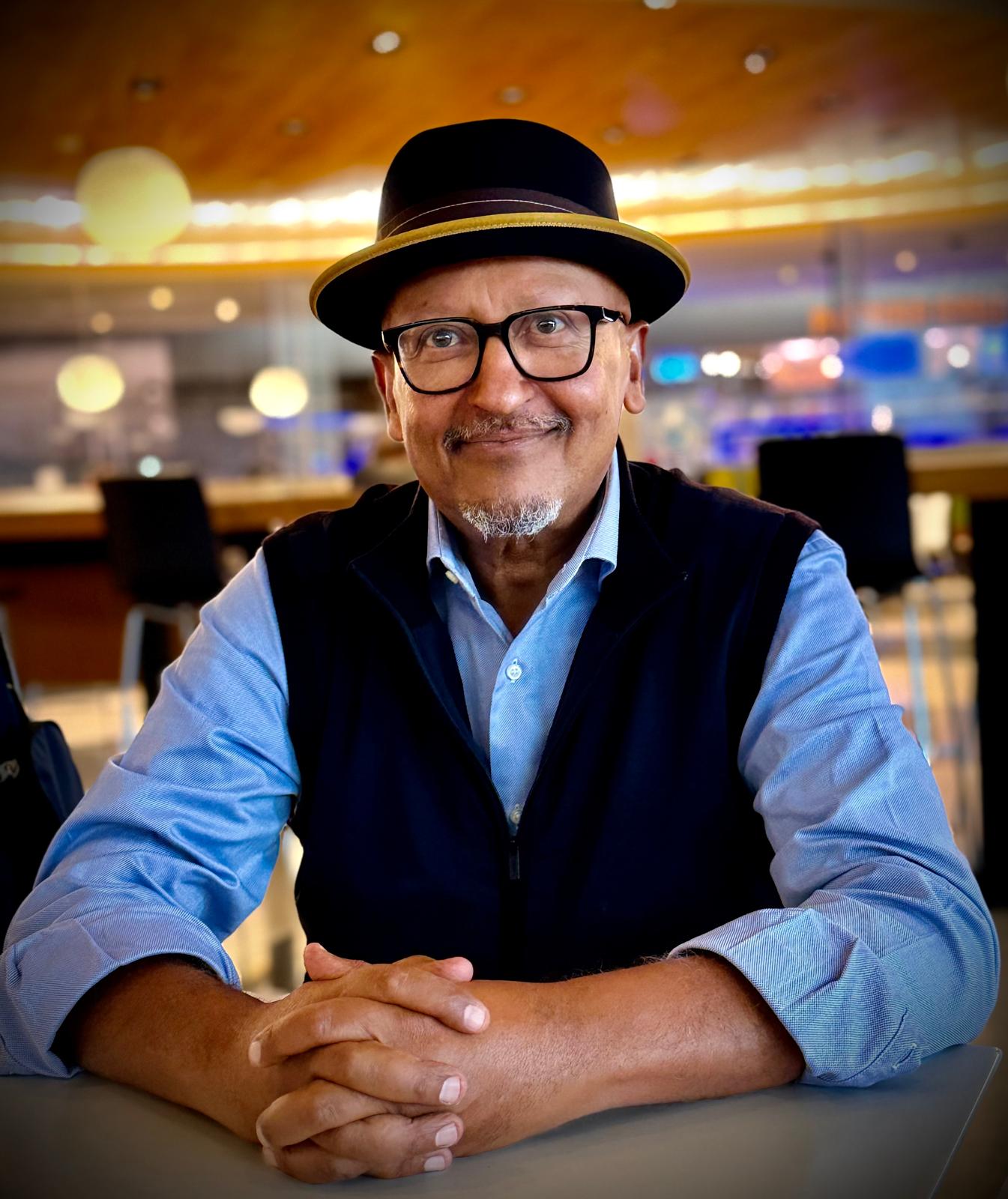
Dr. Menghis Bairu, CEO and President of Bio Usawa.
She was 45 years old. A mother of three. Diagnosed with HER2-positive metastatic breast cancer.
Her doctors knew what could slow the disease: monoclonal antibody therapies that have transformed outcomes in many parts of the world. But the treatments were imported, scarce, and prohibitively expensive. Access was inconsistent and unsustainable. She died not because the science did not exist, but because it was not accessible where she lived.
Her children lost a parent. A family lost its anchor. Society lost a productive citizen in the prime of life.
Another patient tells a different version of the same story.
He is 53 years old and living with diabetes. Over time, he develops diabetic retinopathy-a condition that can be treated, and often stabilized, with regular injections of anti-VEGF biologic therapy. The treatment must be given monthly and must be regulatory-approved, consistent, and affordable. Without it, he will gradually lose his sight.
The science is proven. The outcome is predictable. What remains uncertain is access.
These are not isolated cases. They reflect a structural reality across much of Africa: life-saving biologic therapies exist, but remain out of reach for too many patients because of high costs, fragile supply chains, and the absence of local manufacturing capacity.
Africa has never lacked talent. What it has long lacked are platforms serious enough to change this reality at scale.
That is beginning to change.
Rwanda, in particular, is emerging as one of the few places on the continent where globally trained African scientists, clinicians, and biotech leaders can return not merely to advise or consult, but to build enduring institutions aligned with international standards.
For decades, Africa’s role in global health has been framed largely around access, aid, and disease burden. Those challenges remain real and urgent. But they are no longer sufficient as the dominant narrative. A new model is taking shape-one in which African countries are increasingly defining research priorities, investing in scientific infrastructure, and developing the capacity to manufacture advanced therapies locally.
Rwanda is positioning itself at the center of that transition.
The urgency is especially clear in oncology and chronic disease. Africa records approximately 1.2 million new cancer cases each year and more than 700,000 cancer-related deaths, with incidence expected to rise sharply. Diabetes and its complications are increasing just as rapidly. Yet the continent continues to receive only a small fraction of global investment in advanced therapeutics.
For years, monoclonal antibodies for cancer and anti-VEGF therapies for eye disease became standard care in high-income countries while remaining largely inaccessible across Africa. High prices, dependence on complex global supply chains, and reliance on imports turned proven science into unreachable care.
This imbalance is no longer sustainable.
Developing genomics capabilities, strengthening translational research, and manufacturing biologics on the continent are now strategic imperatives-not only for public health, but for economic resilience, scientific sovereignty, and long-term healthcare security.
Rwanda’s approach has been distinctive. Through disciplined governance, long-term planning, and targeted investment, the country has shown how smaller systems can move quickly when priorities are clear. From digital health to advanced manufacturing partnerships, the focus has been on convening global expertise while deliberately building local capability.
These efforts are becoming tangible. This summer, Bio Usawa is preparing to open an end-to-end biotechnology manufacturing facility in Rwanda’s Special Economic Zone Phase I, designed to support the development and production of biologic therapies for regional markets. The aim is straightforward: to help ensure that therapies critical to cancer treatment and sight preservation are not luxuries, but reliably available medicines.
Rwanda is also becoming a convening point for continental and global leadership. As discussions take place in Kigali alongside the Kigali CEO Forum—Africa’s largest private-sector gathering-the emphasis is increasingly on execution: how ambition translates into durable industrial and healthcare capacity.
The objective is not to replace one form of dependency with another. It is to enable co-creation.
Embedding globally experienced clinical and scientific leadership within African institutions helps align care with international standards, strengthens regulatory systems, and connects local ecosystems to global science. Just as importantly, it creates pathways for African professionals to lead from within the continent rather than from its margins.
This moment carries particular meaning for the African diaspora. Across the world, highly trained African researchers, physicians, engineers, and biotech professionals remain deeply connected to the continent. Increasingly, the question is not whether they want to contribute, but whether credible platforms exist where they can do so without compromising standards or impact.
Africa does not lack talent. It has lacked enough platforms that fully leverage it.
Rwanda is helping to change that equation.
For the mother who never accessed HER2-targeted therapy, and for the man who may yet lose his sight without consistent anti-VEGF treatment, this shift is not abstract. It is the difference between possibility and loss.
Platforms worth returning to are finally emerging. Those who help build them will shape not only Africa’s healthcare future, but the lives of millions who depend on it.
At the Africa CEO Forum in Kigali last week, Bio Usawa CEO Dr. Menghis Bairu attended a presidential panel that tackled a question central to Africa’s e…
May 2026At the Rwanda Global Gateway Investment Roadshow this week, our CEO & President Dr. Menghis Bairu joined leaders from government, development finance in…
May 2026Bio Usawa is honored to welcome Prof. Nazik Hammad as Chief Medical Officer for Oncology, bringing decades of global leadership at the intersection of c…
May 2026